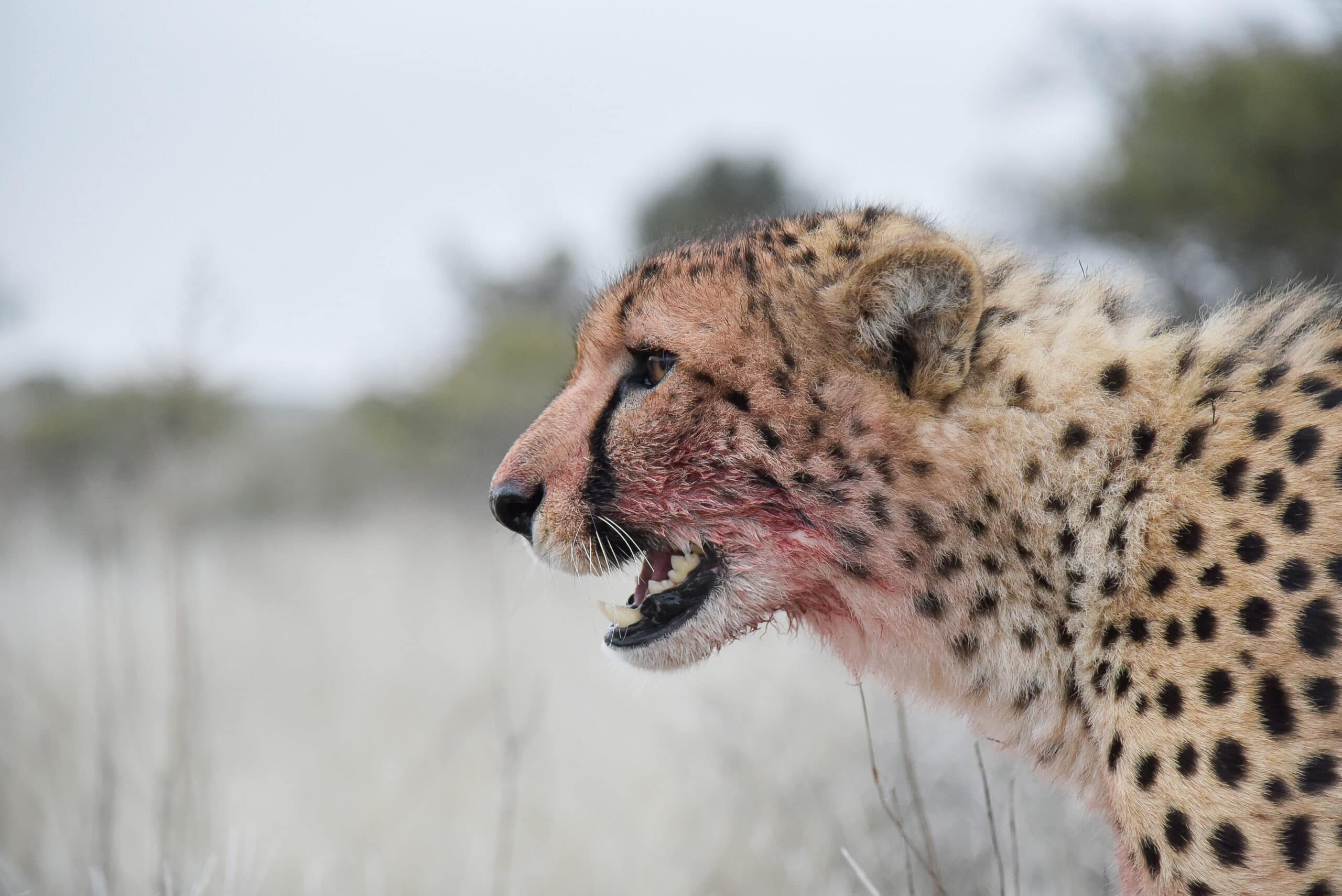
Wild cheetah populations are left with fragments of their natural habitat in landscapes that are becoming more and more encroached with human settlements.
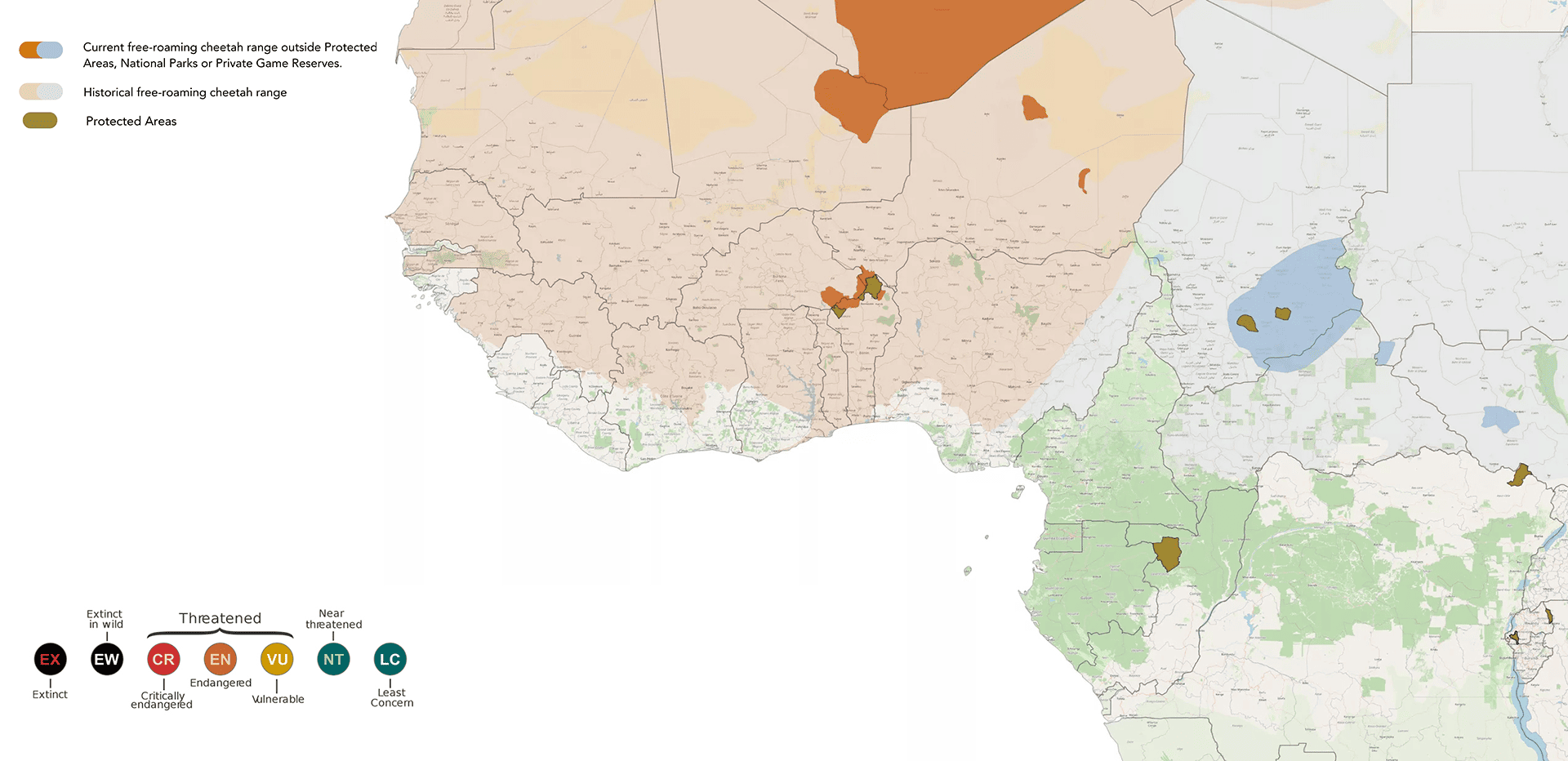
Cheetah taxonomy has historically been informed by geographic distribution, while advances in genomic research have revealed additional genetic structure within these populations. This map illustrates five genetically distinct lineages identified through genomic research, while only four subspecies are currently recognised by the IUCN SSC Cat Specialist Group.
Northwest African Cheetah
Little is known about this Critically Endangered subspecies and its remaining populations, but Ashia research has provided new insight into its distribution through genetic analysis of cheetahs sampled in Chad, which found that these individuals cluster genetically with A. j. hecki .
This is an important difference between the current IUCN distribution and the genomic distribution shown on this map: areas of Chad previously associated with A. j. soemmeringii are now represented as part of the A. j. hecki range. These findings provide new evidence that the Northwest African cheetah extends farther east and south across the Sudano-Sahel than previously represented.
Asiatic Cheetah
The Asiatic cheetah is now restricted to Iran and is classified as Critically Endangered. Once distributed across a vast area extending from the Middle East into Central and South Asia, the Asiatic cheetah has undergone an extreme contraction in range.
Genomic research demonstrates clear differentiation between the Asiatic lineage and the African cheetah lineages, reinforcing the importance of protecting this exceptionally small remaining population
Northeast African Cheetah
The Northeast African cheetah occurs primarily in the Horn of Africa and surrounding regions. A highly trafficked cheetah subspecies, its remaining range is greatly fragmented. Historically, cheetahs in Chad were associated with the Northeast African cheetah, A. j. soemmeringii.
However, genomic research by Ashia found that sampled cheetahs from Chad cluster with A. j. hecki, providing new evidence that these populations belong to the Northwest African lineage.
East African Cheetah
The East African cheetah has historically been treated as synonymous with the Southern African cheetah (A. j. jubatus) by the IUCN SSC Cat Specialist Group.
However, genome-wide analyses have identified A. j. raineyi as a distinct genomic lineage. Prost et al. (2022) found that the five subspecies, including A. j. raineyi, formed distinct clusters in nuclear genomic analyses.
Southern African Cheetah
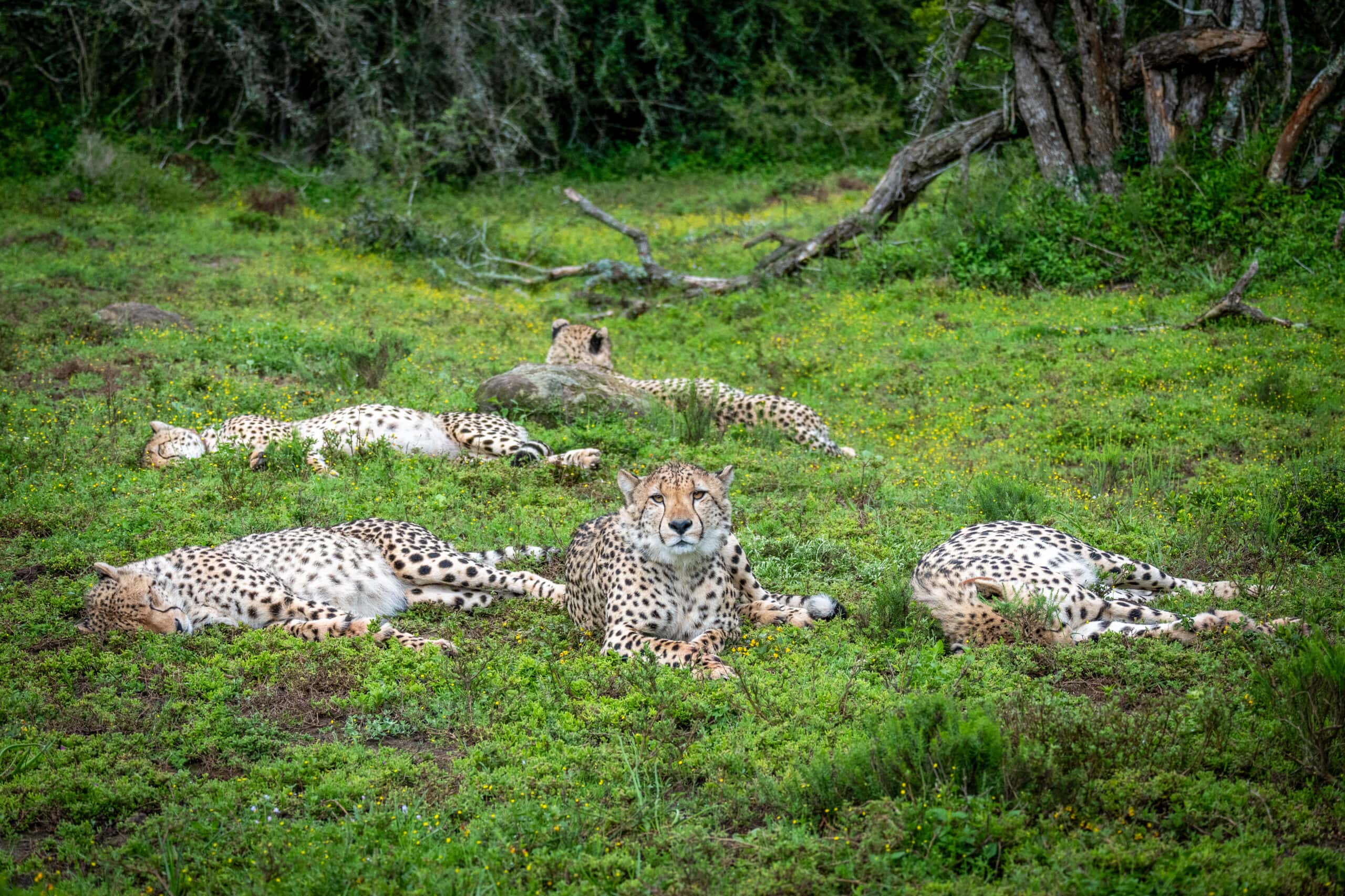
The Southern African cheetah represents the largest remaining regional cheetah population and remains a major stronghold for the species.
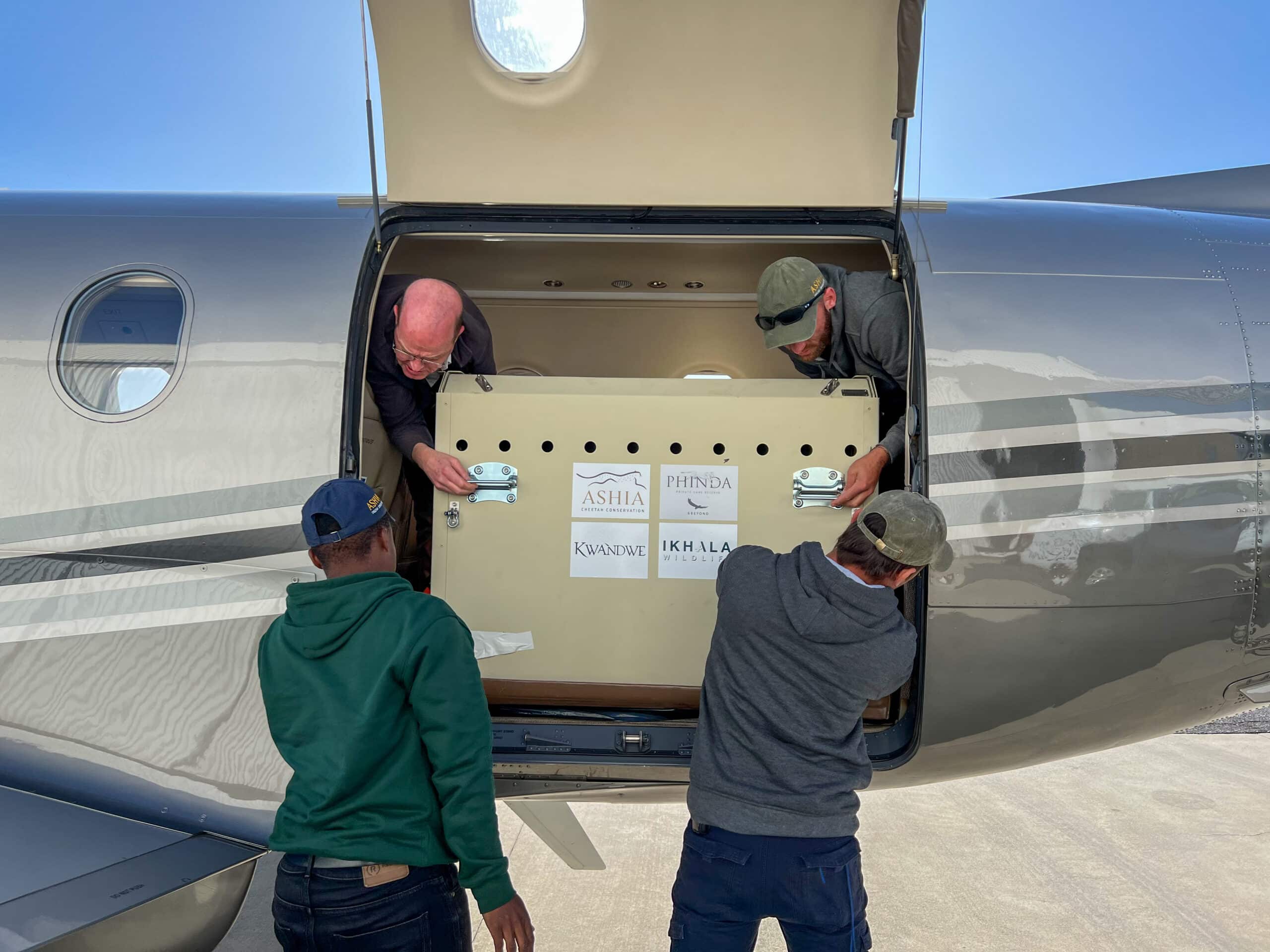
Ashia works extensively with protected and free-roaming populations in Southern Africa through population reinforcement, translocation, research and veterinary support.
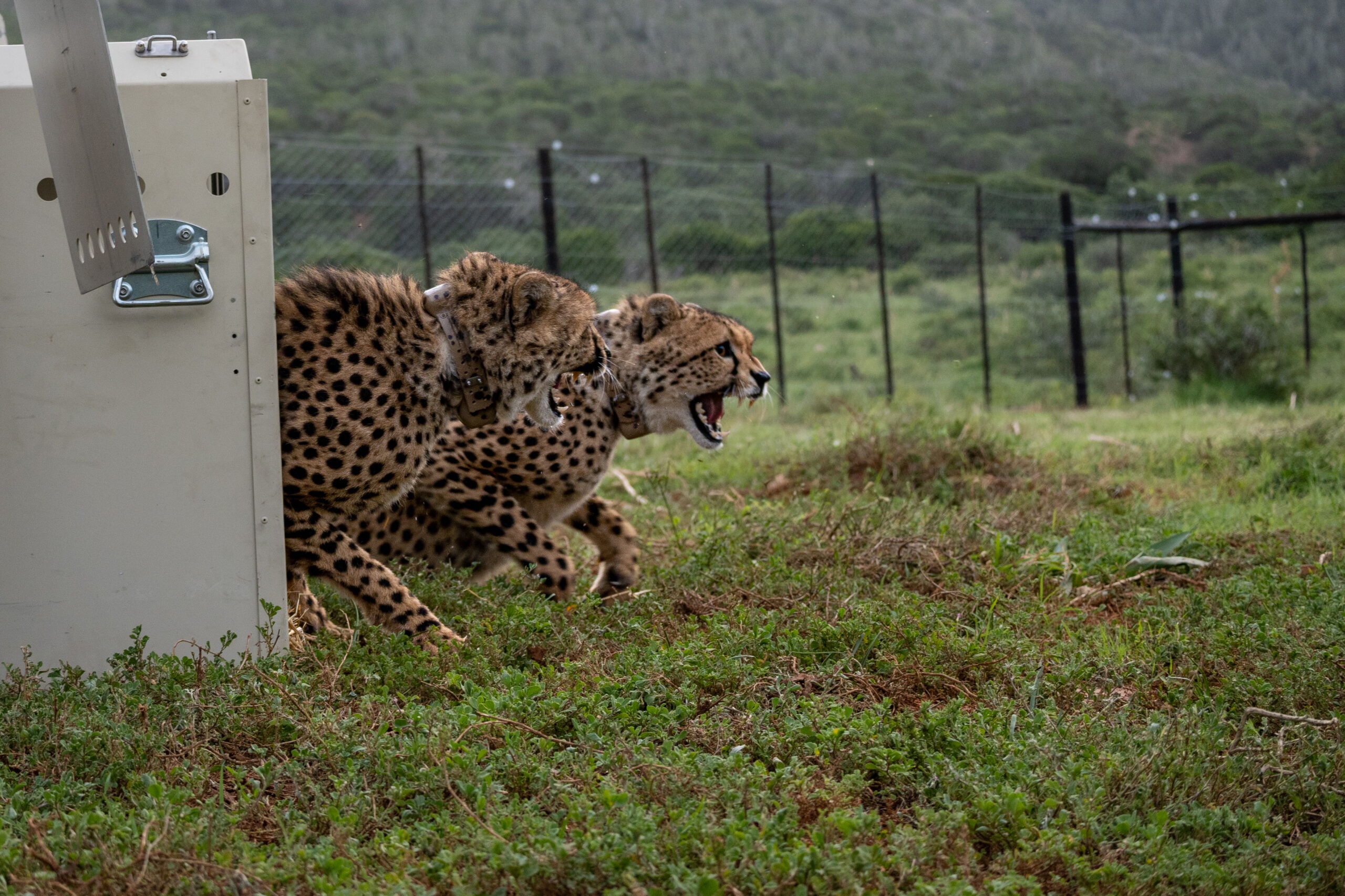
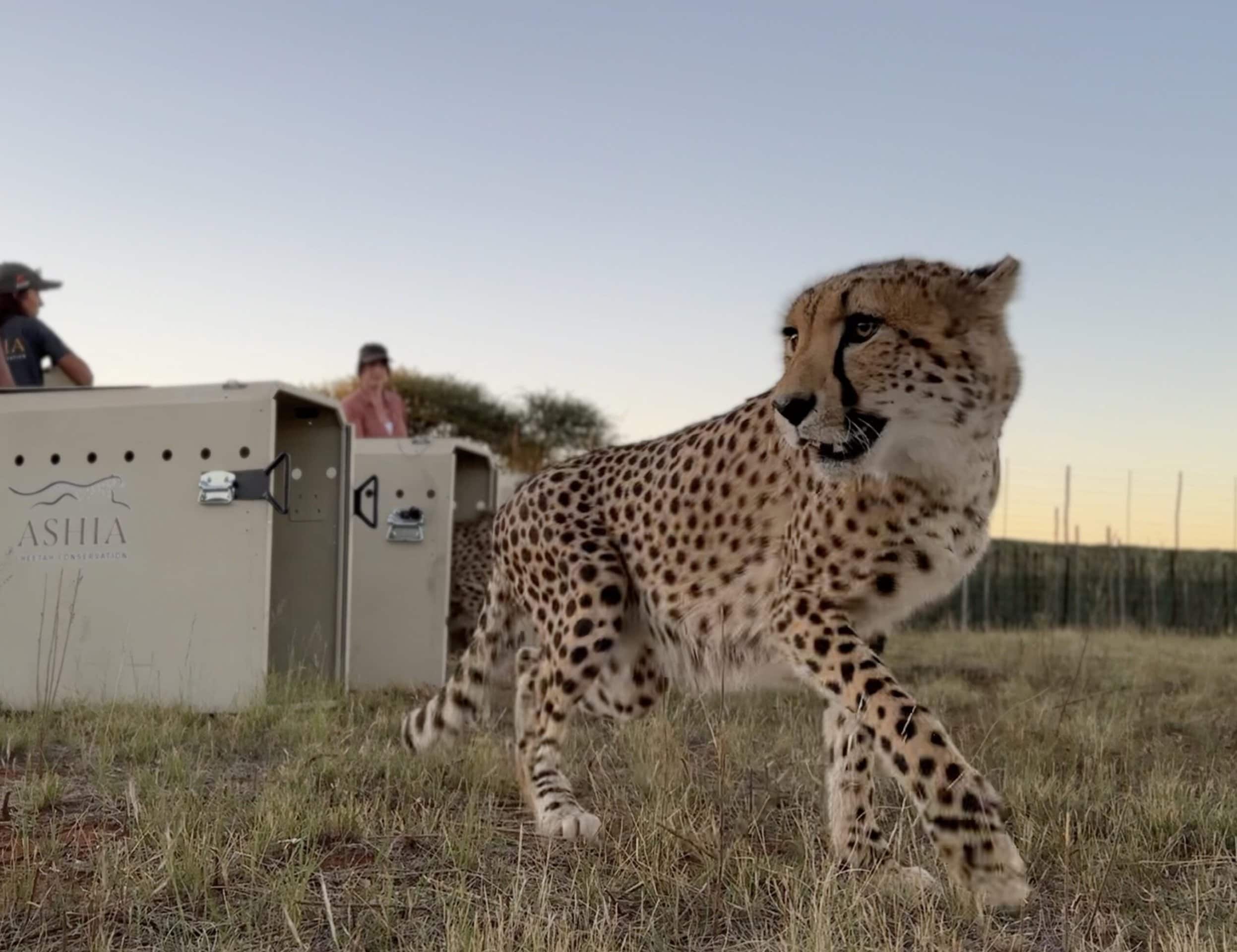
In South Africa, wildlife reserves are fenced to guarantee limited human movement, cut down poaching and snaring and thus creating protected areas not only for cheetahs but all of our remaining wildlife. These isolated cheetah populations are artificially managed as a metapopulation as individuals are translocated between these protected areas to mimic the natural movements of free-roaming cheetah to ensure a healthy and viable genetic pool.
Unlike larger predators, such as lion and leopard, cheetah have presented Ashia unique reintegrating opportunities since 2018, largely due to cheetah posing minimal risk to humans, and captive behaviour gradually phased out during our program.
Cheetah in protected areas are isolated with little to no natural dispersal between these disconnected populations. As a result, we have a responsibility to maintain the demographic and genetic integrity of these populations, not just for the individual but also for its potential contribution to the reinforcement and extension of the species range.
Ashia actively and financially supports this management at all levels by recognising the conservation value in the reintegration of unrelated mother-reared captive origin cheetah, rehabilitation of orphaned and injured wild cheetah, cross country translocations, veterinary welfare, ecological monitoring, as well as training and exposure to the unique complexities of cheetah behaviour.
Working with key stakeholders, committed organisations, reserves and national parks, Ashia coordinates reintroductions into the historical cheetah range. In this, we play a key role as an experienced conservation organization, focusing on the welfare of individual cheetah, while managing the smooth operation of translocations and re-establishment through operational and veterinary support, species monitor training, infrastructure development and supply of essential equipment. As this is an evolving field, Ashia has prioritized research towards improving every step of this conservation strategy.
The key to long-term conservation of any species is exploring all promising research avenues. Through multiple ongoing studies, Ashia continuously develops relevant programs for cheetah conservation.
This unique isolated landscape is still home to cheetah and play an important role in their regional conservation.
Cheetah are being reintroduced to these majestic ecosystems, where lechwe and other prey abound.
As the first introduction site into Southern Africa in 2017, the Liwonde population continues to grow as stronghold for cheetah conservation in the region. These cheetah were used to found the Majete population in 2019.
This landscape represents a potential “safe space” for cheetah.
Botlierskop Private Game Reserve
Buffelsdrift Game Lodge
Garden Route Game Lodge
Gondwana Private Game Reserve
Sanbona Private Game Reserve
Khamab Private Game Reserve
Lalibela Kalahari Private Game Reserve
Madikwe National Park
Mziki Private Game Reserve
Pilanesberg National Park
Madikwe Conservancy
Makutsi Private Game Reserve
Mapesu Private Game Reserve
Marakele National Park & Marataba
Matlabas Private Game Reserve
Qwabi Private Game Reserve
Rietspruit Private Game Reserve
SanWild Private Game Reserve
Selati Private Game Reserve
Shambala Private Game Reserve
Tshukudu Private Game Reserve
Tumbeta Private Game Reserve
Welgevonden Private Game Reserve
Kruger supports an important population of wild cheetah across its savanna habitats. Despite protection within the park, cheetahs still face threats from poaching and snaring.
This cross-border protected area is a stronghold for wild cheetah as they disperse into Botswana and Namibia.
Babanango Private Game Reserve
Hluhluwe iMfolozi National Park
Manyoni Private Game Reserve
Mkuze Valley Game Reserve
Mpilo Private Game Reserve
Nambiti Private Game Reserve
Phinda Private Game Reserve
Thanda Private Game Reserve
Thula Thula Private Game Reserve
uMkhuze Private Game Reserve
UmPhafa Private Game Reserve
Zimanga Private Game Reserve
Amakhala Private Game Reserve
Buffalokloof Private Game Reserve
Ezulu Private Game Reserve
Hopewell Private Game Reserve
Kariega Private Game Reserve
Kwandwe Private Game Reserve
Kwantu Private Game Reserve
Kuzuko Private Game Reserve
Lalibela Private Game Reserve
Longhill Private Game Reserve
Magic Hills Private Game Reserve
Mount Camdeboo Private Game Reserve
Mountain Zebra National Park
Nyosi Private Game Reserve
Samara Private Game Reserve
Shamwari Private Game Reserve
Kishindo Private Game Reserve
Maloba Private Game Reserve
Dinokeng Private Game Reserve
Rietvlei Private Game Reserve
Nkomazi Private Game Reserve
Ukuzwana Private Game Reserve

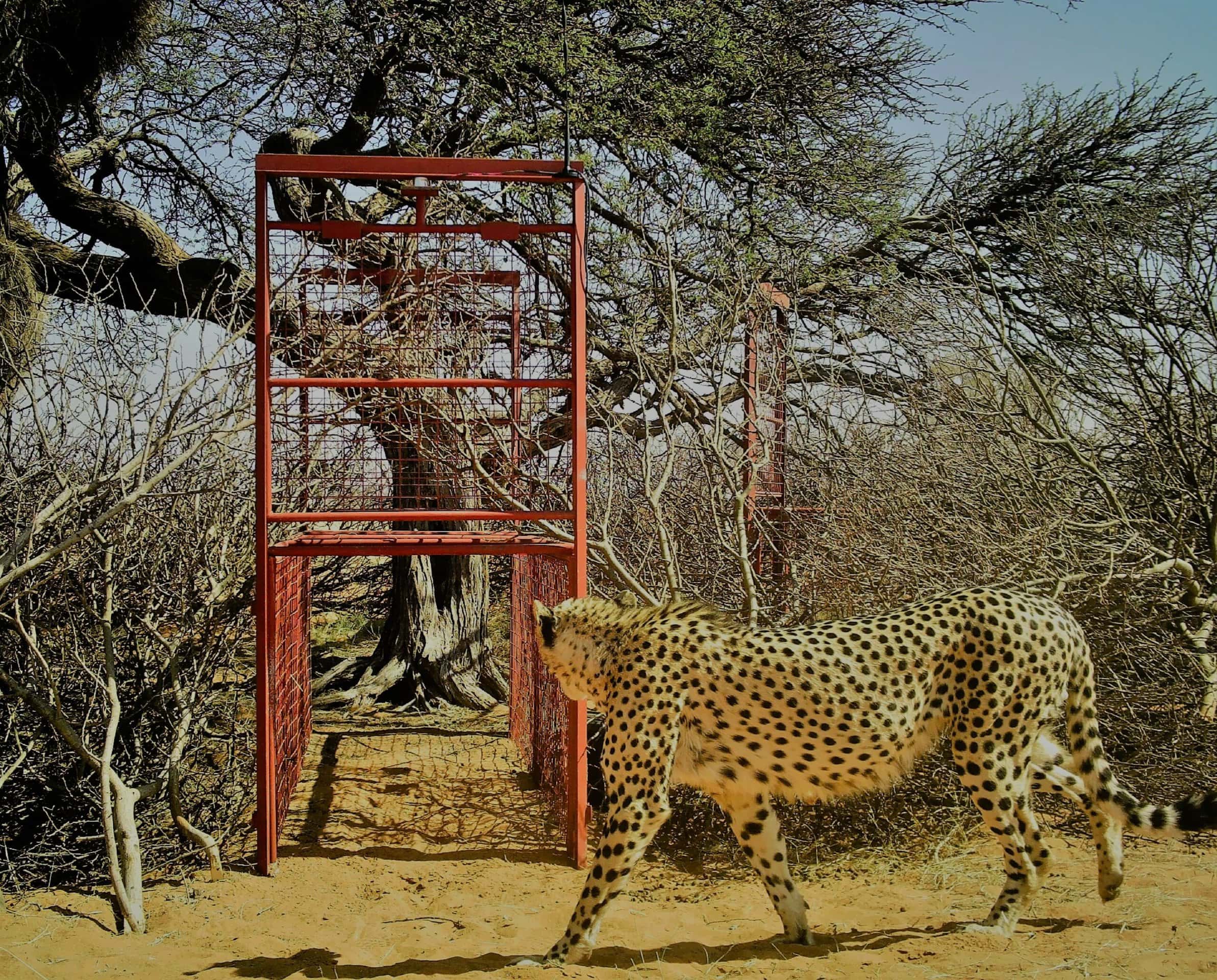
Cheetah that persist outside of formally protected areas such as fenced National Parks, Game Reserves or Conservancies, are considered ‘free-roaming’. Conserving cheetah effectively in these complex landscapes is an ever-changing science that Ashia addresses through the initiation, coordination and funding of applicable research and policy development projects either on a standalone basis or in partnerships with other stakeholders.
The first free-roaming cheetah population estimates of ~600 mature individuals in South Africa date back to 2002. They relied heavily on regionally isolated population studies with minimal data. Subsequent and more recent estimates lower than ~600 individuals, were likewise calculated by applying data from local studies to a vast cross-country range. In view of a 76% decline in average African willdlife populations since the 1970’s, these outdated estimates underscored an urgent need for up-to-date data.
Ashia Cheetah Conservation, with support from Cheetah Outreach Trust and Groningen University, conducted a multi-year study resulting in fact-based data which determined a minimum number of 83 mature adults – approximately 70% less than previous estimates. This drastic decline demands action from South Africa’s conservation authorities.
Very little is known about the highly threatened cheetah subspecies native throughout central and west Africa. Working with African Parks, Ashia has deployed a PhD student to the W-Arly-Pendjari Complex in West Africa and Zakouma National Park and Siniaka Minia Wildlife Reserve in Chad, to update our existing knowledge of West African cheetah numbers, status, and ecology. This data is fed directly into African Parks management and policy around protecting highly threatened cheetah subspecies. Read the first published article below.
Northwest African Cheetah
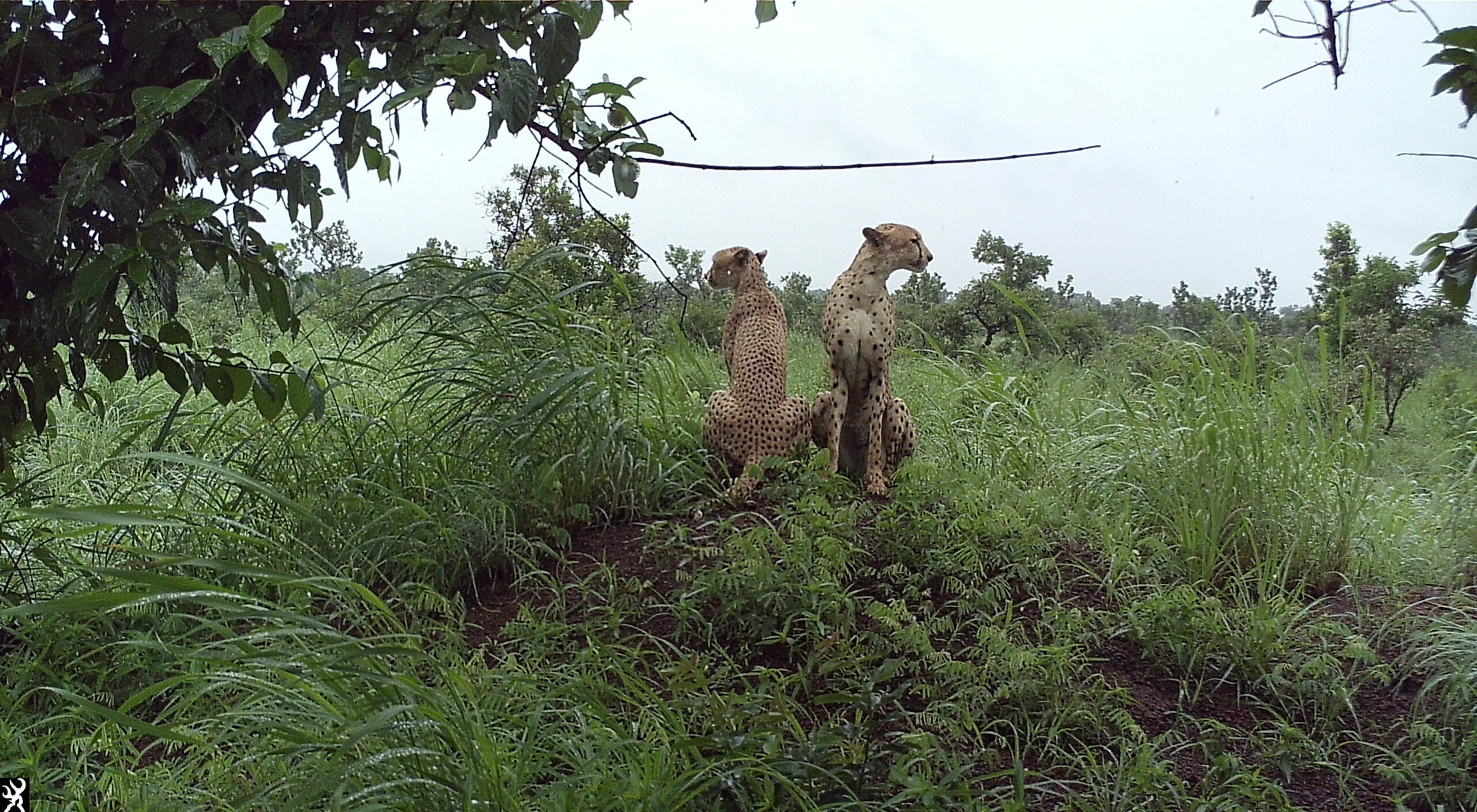
With less than 210 northwest African cheetah remaining, the W-Arly Pendjari, or ‘WAP'- complex, is a highly threatened stronghold for the species in the region.
This small but established population of cheetah is understudied, but after a 3 year project in Pendjari, Zakouma and Siniaka Minia parks, financed and coordinated by Ashia Cheetah Conservation, the surmised subspecies in these regions will be confirmed.
While cheetah have been sighted by nomadic pastoralists in the reserve, very little is known about this isolated population.
Northeast African Cheetah
Understanding the Northwest African cheetah
Very little is known about the highly threatened cheetah subspecies native throughout central and west Africa. Working with African Parks, Ashia deployed a PhD student to the W-Arly-Pendjari Complex in West Africa and Zakouma National Park and Siniaka Minia Wildlife Reserve in Chad from 2021 to 2023, in order to update our existing knowledge of West African cheetah numbers, status, and ecology. This data was fed directly into African Parks management and policy around protecting highly threatened cheetah subspecies.
These populations occur at extremely low densities across vast landscapes, while political instability, difficult terrain and limited access make systematic research challenging. The IUCN SSC Cat Specialist Group currently recognises A. j. hecki as the Northwest African cheetah, and it is classified as Critically Endangered. The research generated some of the first systematic population data from these areas and has contributed directly to conservation planning for the region.
The resulting study estimated very low cheetah densities in both Pendjari and Zakouma and highlighted the fragile status of the remaining populations.
The W-Arly-Pendjari (WAP) Complex is one of the most important remaining strongholds for the Northwest African cheetah.
Ashia’s research in Pendjari has provided new information on population density, demographics and distribution within this transboundary conservation landscape.
Systematic camera-trapping surveys detected cheetahs at very low densities, highlighting the vulnerability of this remaining population.
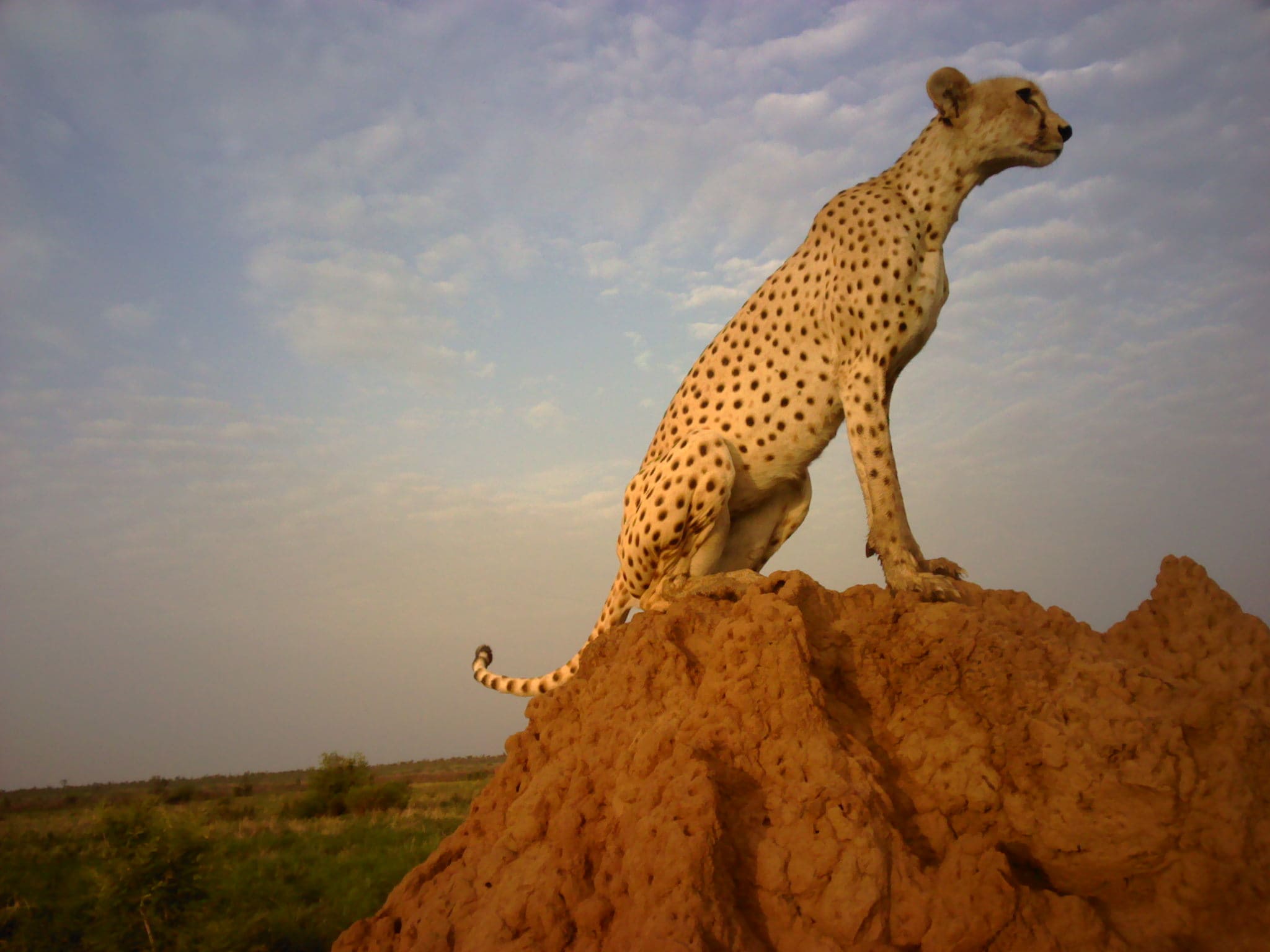
Zakouma National Park forms part of the Greater Zakouma Ecosystem in southern Chad.
Although cheetahs occur at low densities, systematic surveys confirmed the presence of a small population and provided the first robust density estimates for the area.
The extensive research estimated approximately 0.37 cheetahs per 100 km² during the 2023 dry-season survey.
Siniaka Minia Wildlife Reserve forms part of the wider Bahr/Salamat landscape in Chad.
Despite extensive camera-trapping effort during the study, no cheetahs were detected during the survey period. This does not necessarily indicate that cheetahs are absent from the wider landscape, but it highlights how little is known about this potentially isolated population and the need for evidence-based monitoring.
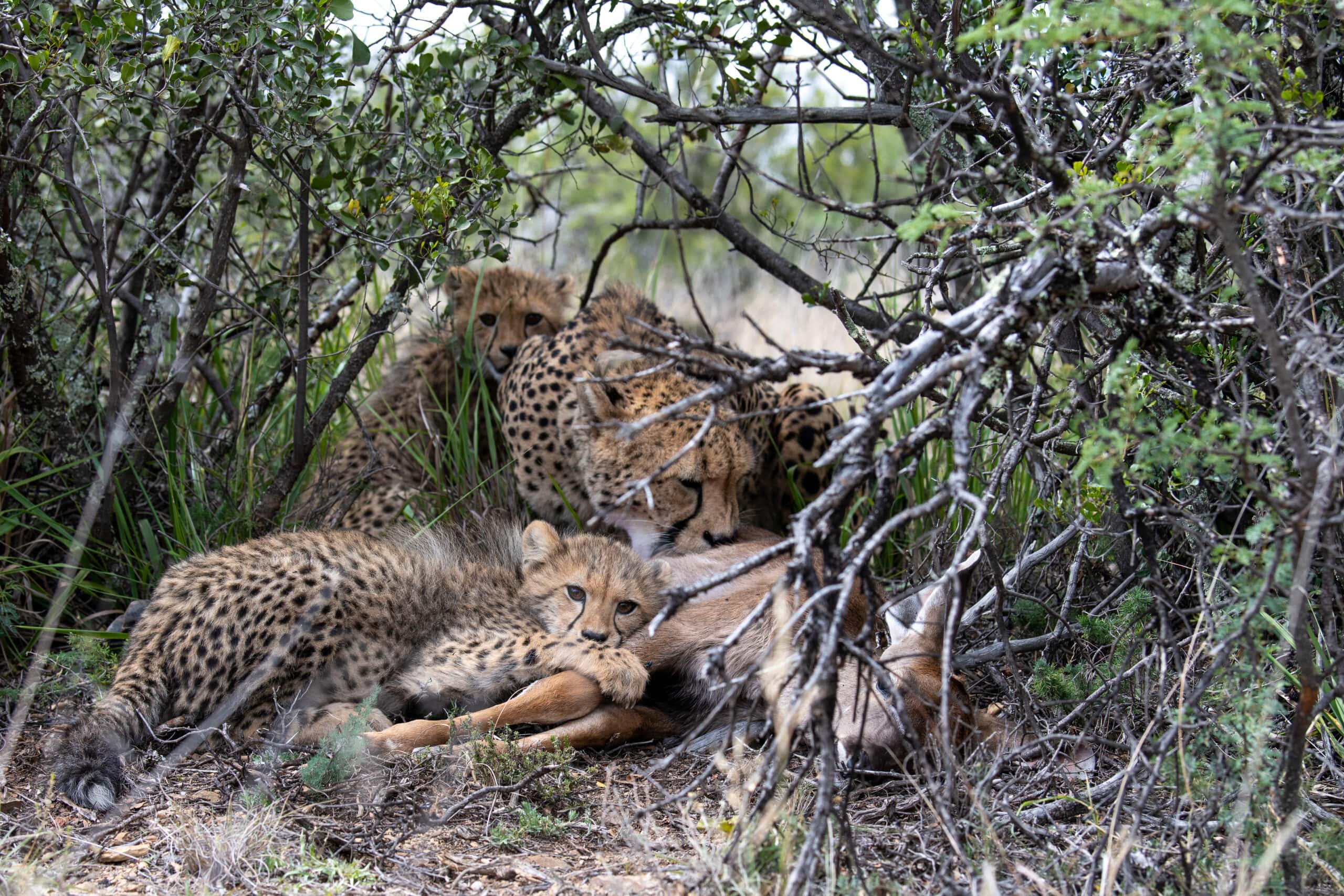
Genetic research has now provided an important new insight into the distribution of the Northwest African cheetah. Prior to the latest genetic analyses, cheetahs occurring in different parts of the Sudano-Sahelian region were assigned to subspecies largely on the basis of their geographic location. In particular, cheetahs in Chad had previously been associated with the Northeast African cheetah, A. j. soemmeringii.
As part of the research, blood samples collected opportunistically from cheetahs in Benin and Chad were subjected to genomic analysis. The results demonstrate that the sampled individuals from both Benin and Chad cluster with Acinonyx jubatus hecki.
This provides concrete evidence that the Northwest African cheetah extends farther across the Sudano-Sahelian region than previously represented. The finding is particularly significant because it demonstrates that geographic boundaries traditionally used to assign cheetah subspecies do not necessarily correspond to genetic boundaries.