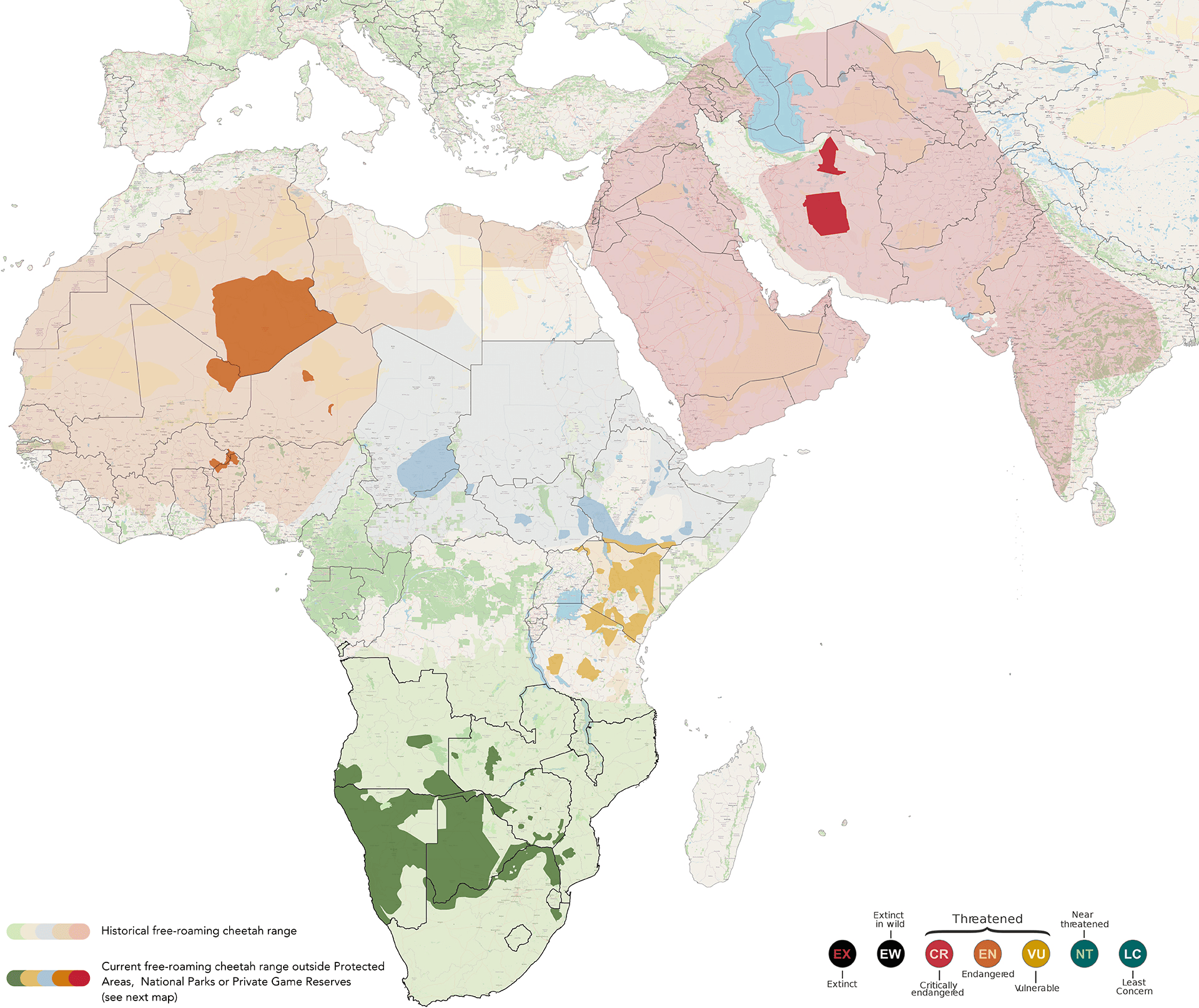
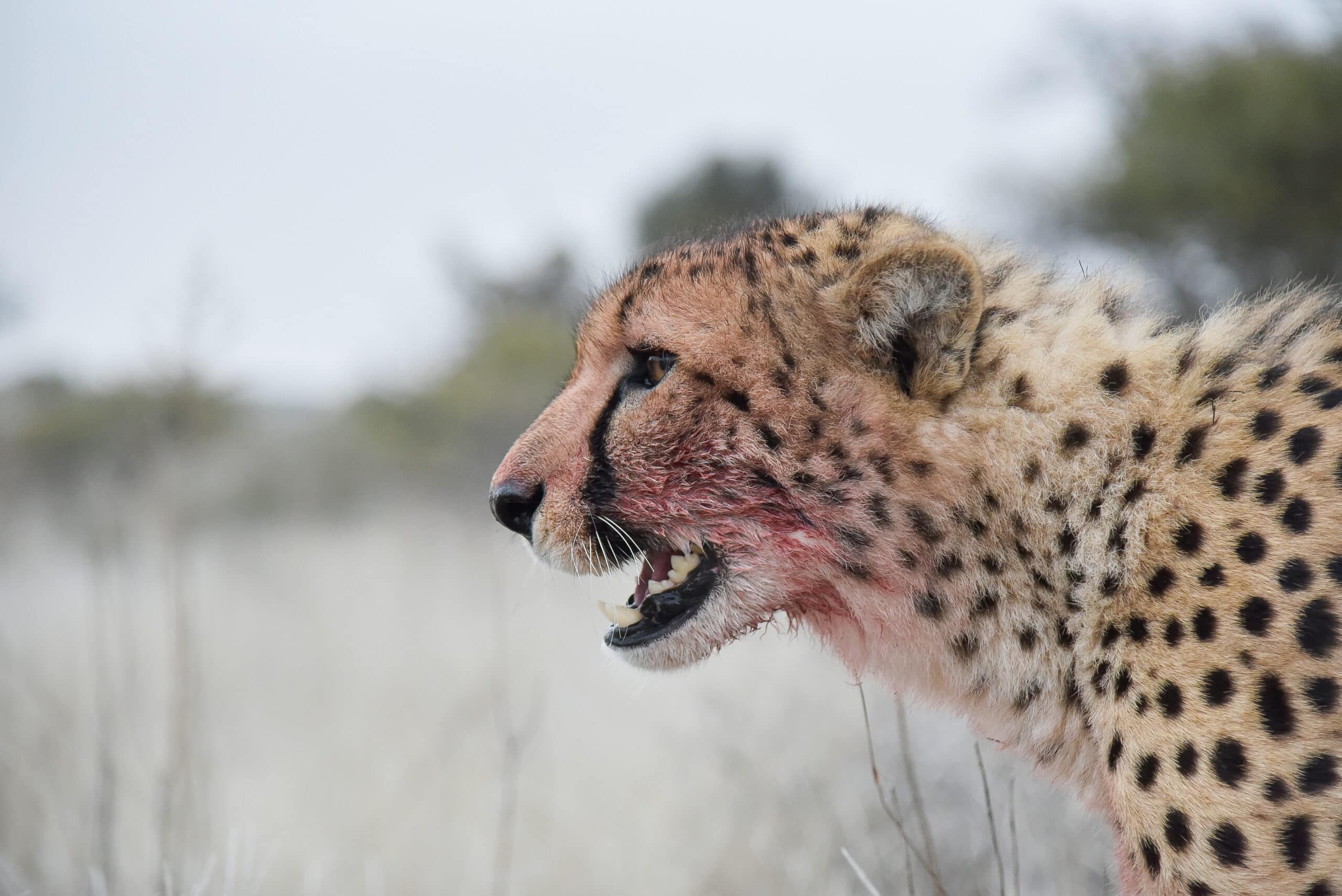
Wild cheetah populations are left with fragments of their natural habitat. The five subspecies range from Critically Endangered to Vulnerable in landscapes that are becoming more and more encroached with human settlements.
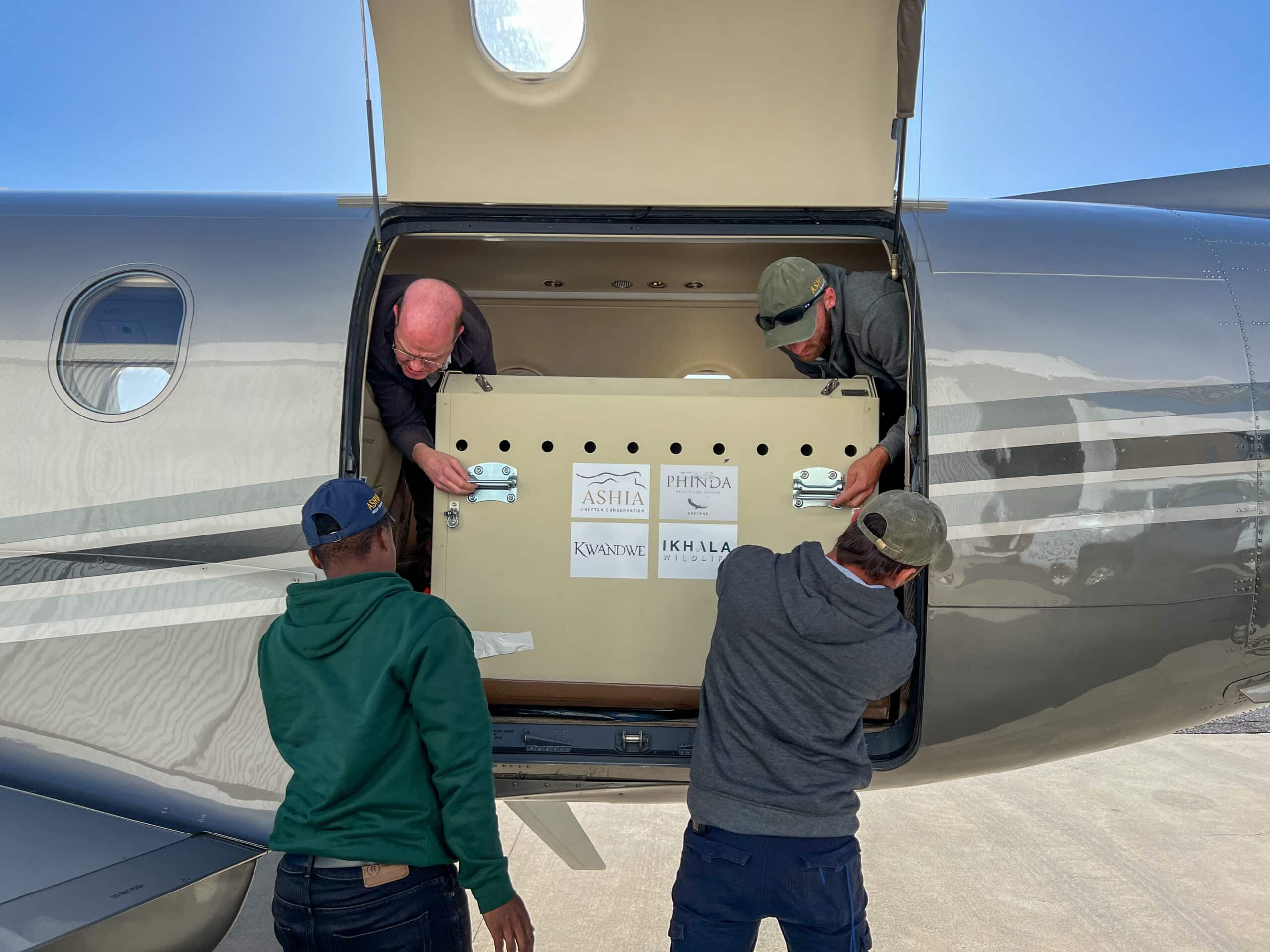
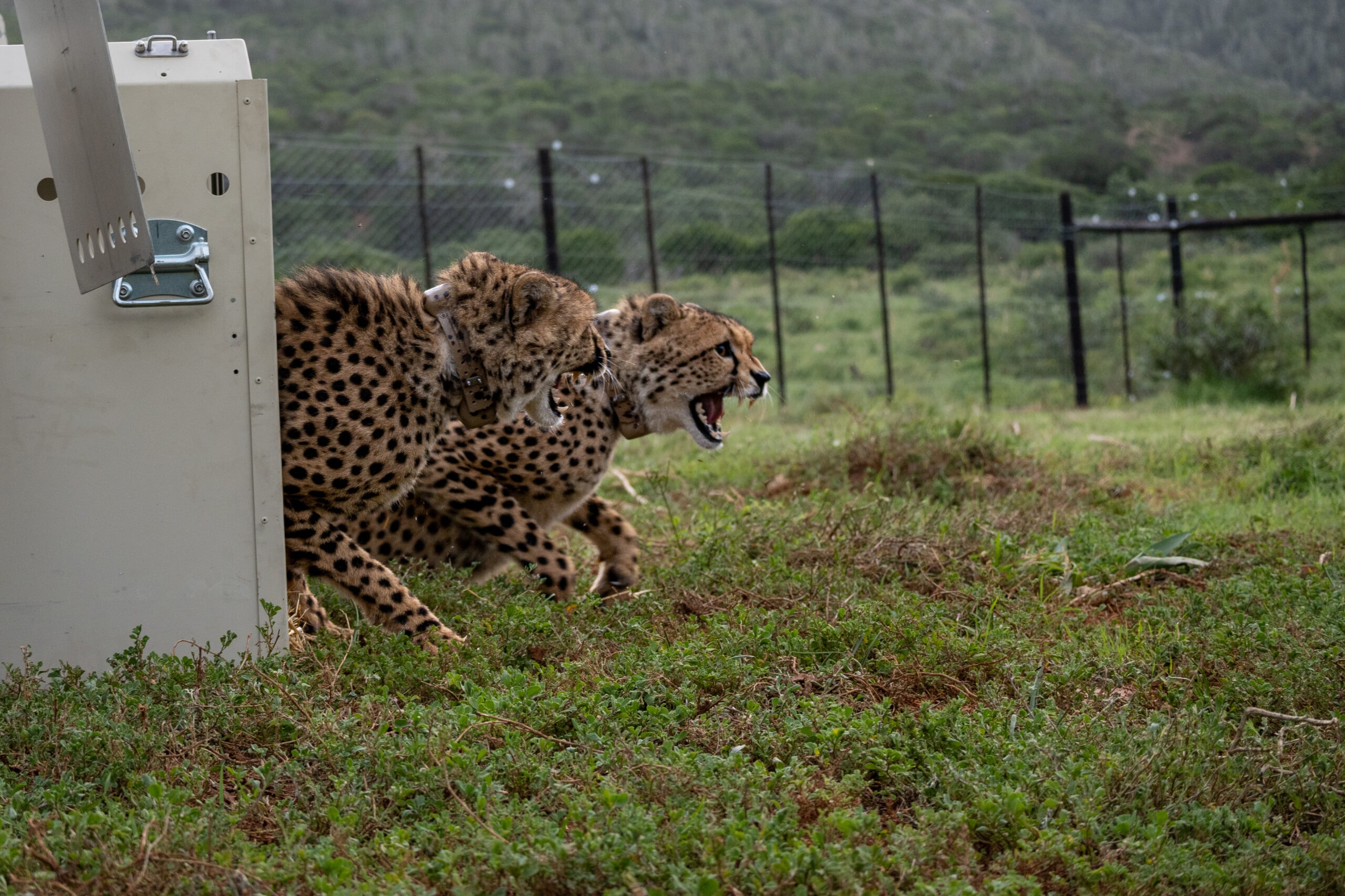
Ashia plays a vital role in range-wide cheetah expansion and conservation initiatives by funding and coordinating full-scale reintroduction projects, developing essential skills around cheetah translocation, monitoring, as well as ecological and welfare needs of re-established populations in newly protected landscapes throughout Africa. These reintroductions are ongoing as newly established cheetah populations require genetic support through cheetah “swops” or new individuals.
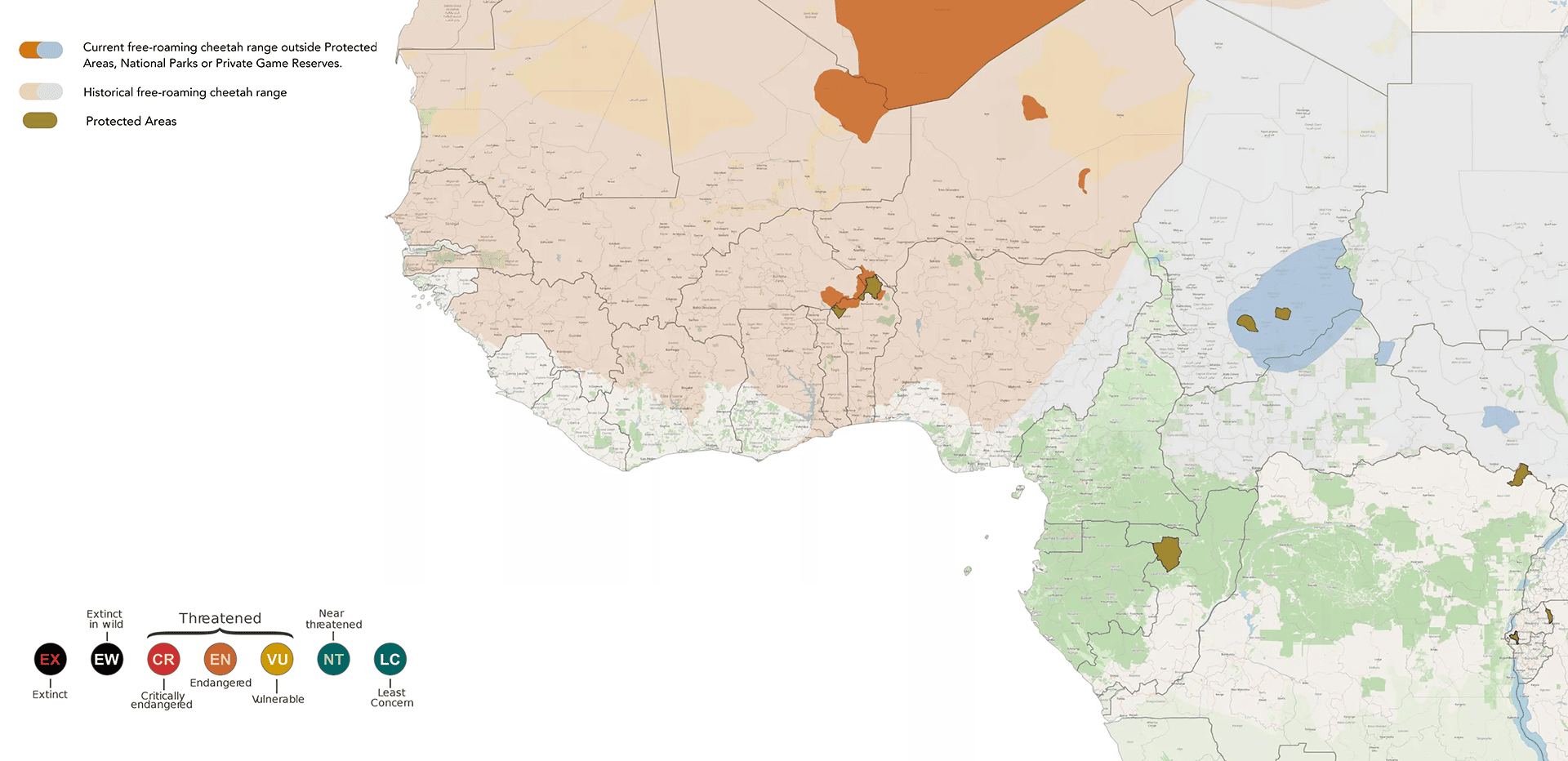
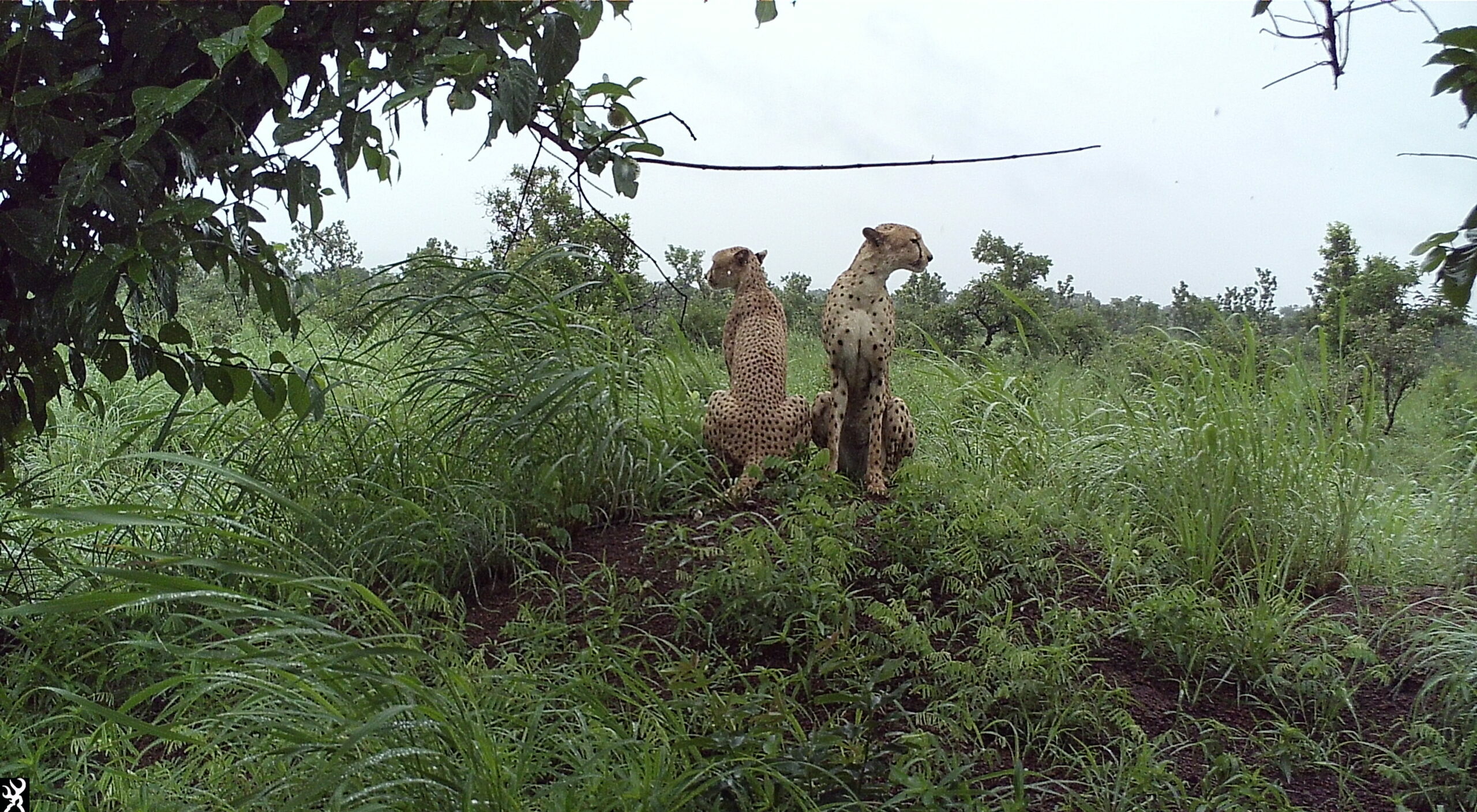
Northwest African Cheetah
The remaining range of this subspecies is poorly studied due to the difficult terrain.
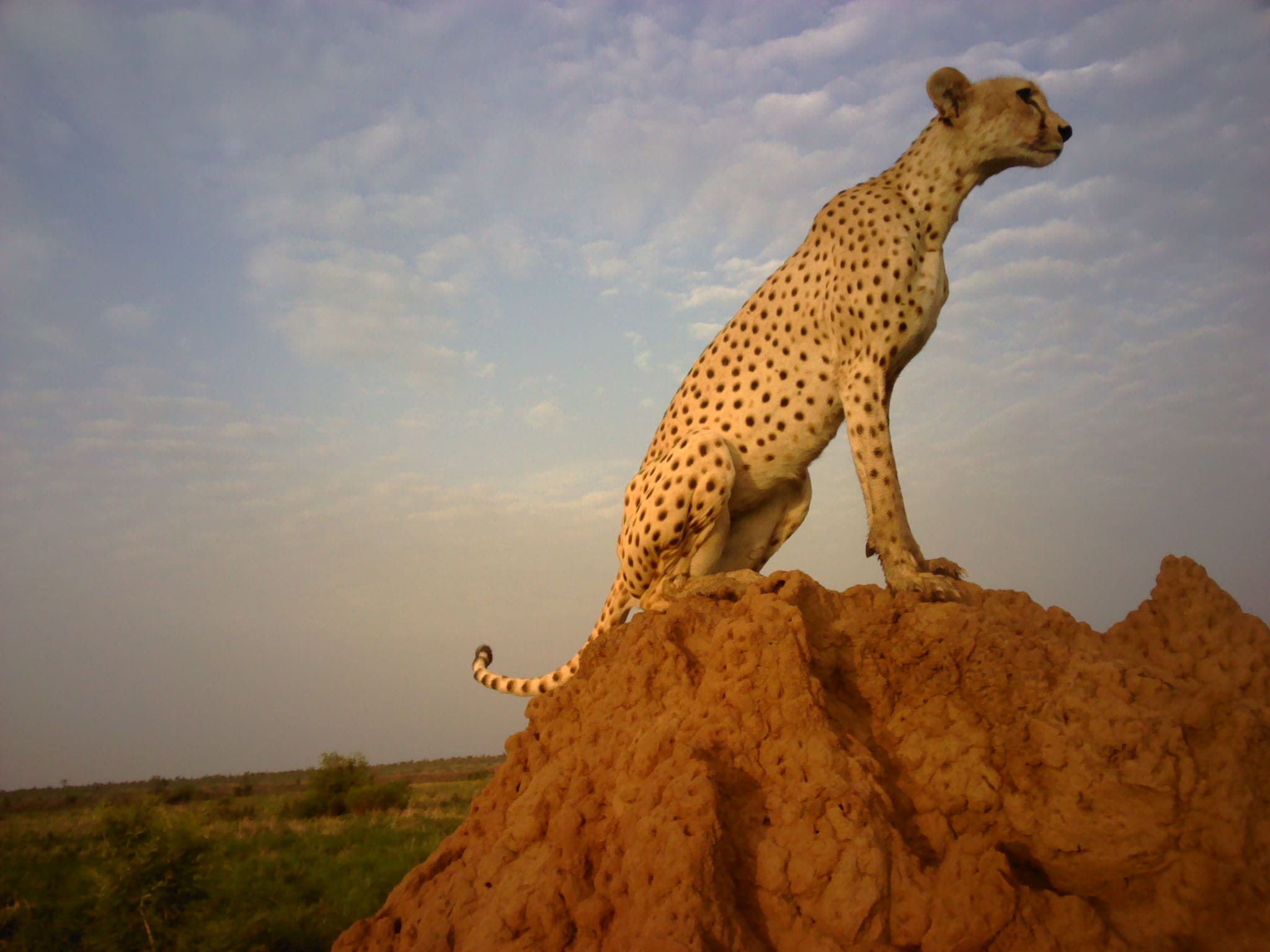
Northeast African Cheetah
A highly trafficked cheetah subspecies, with a remaining range that is greatly fragmented.
East African Cheetah
The genetic distinction of this subspecies remains contested.
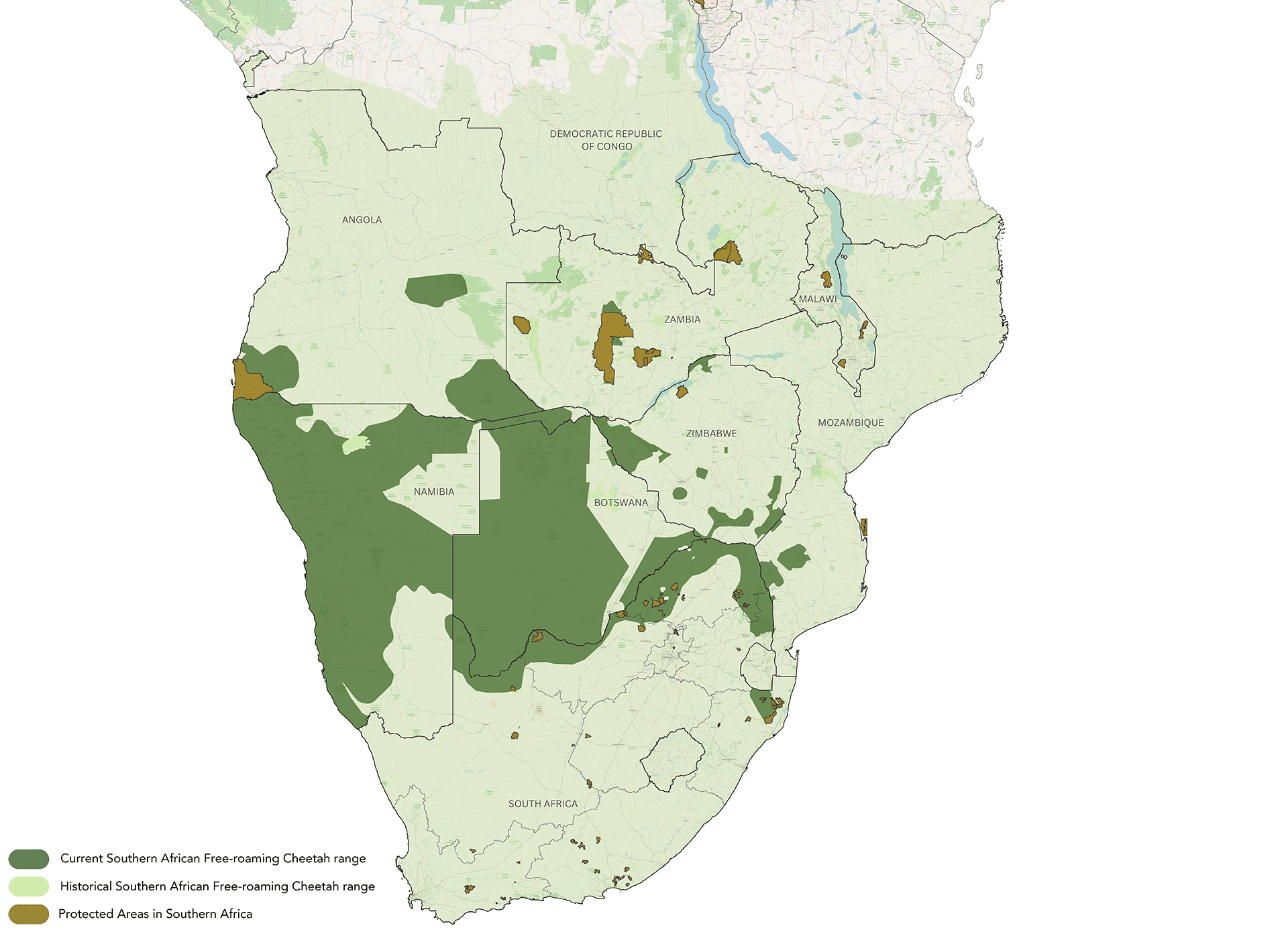
Southern African Cheetah
This subspecies remains a stronghold for the survival of the cheetah.
In South Africa, wildlife reserves are fenced to guarantee limited human movement, cut down poaching and snaring and thus creating protected areas not only for cheetahs but all of our remaining wildlife. These isolated cheetah populations are artificially managed as a metapopulation as individuals are translocated between these protected areas to mimic the natural movements of free-roaming cheetah to ensure a healthy and viable genetic pool.
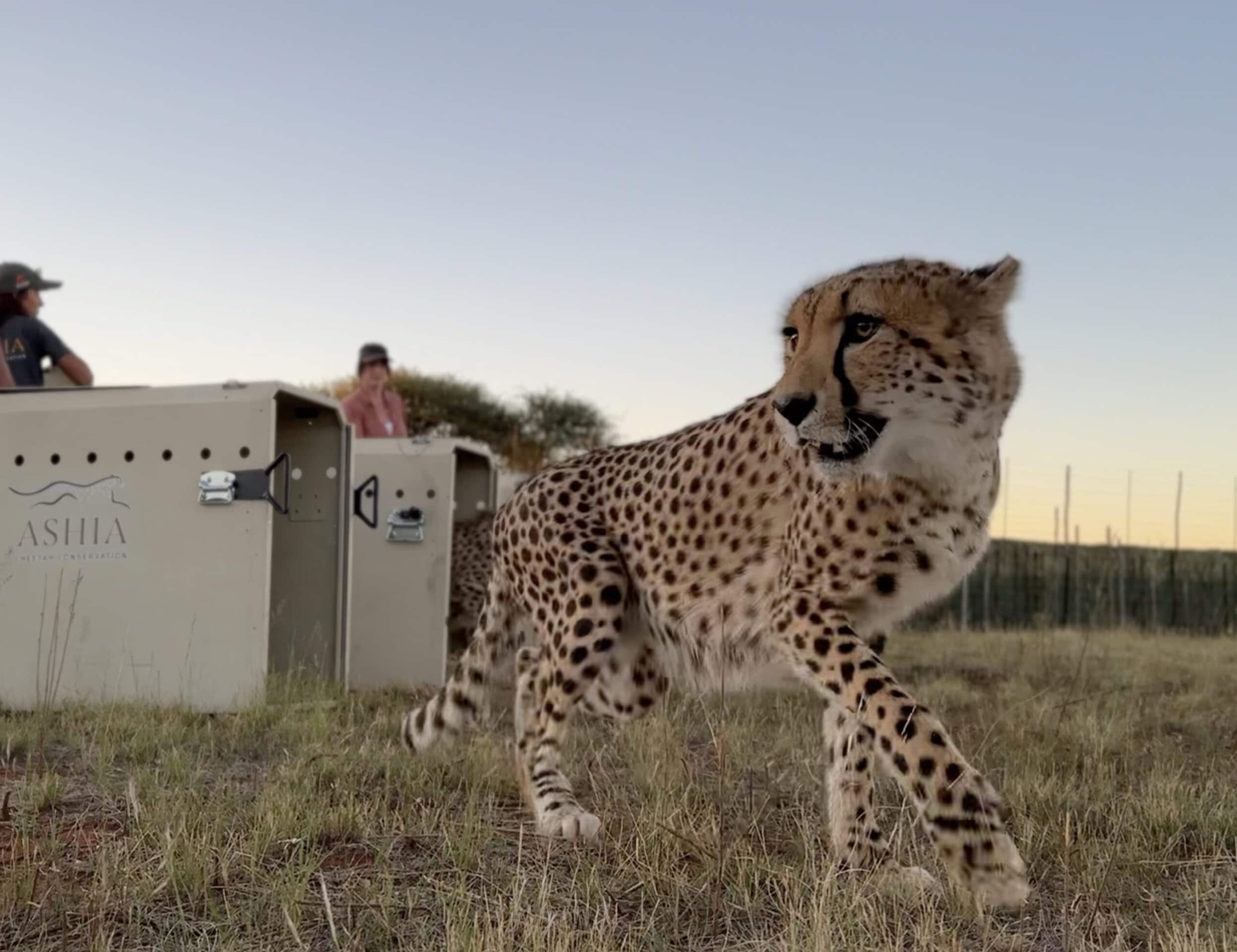
Unlike larger predators, such as lion and leopard, cheetah have presented Ashia unique reintegrating opportunities since 2018, largely due to cheetah posing minimal risk to humans, and captive behaviour gradually phased out during our program.
Cheetah in protected areas are isolated with little to no natural dispersal between these disconnected populations. As a result, we have a responsibility to maintain the demographic and genetic integrity of these populations, not just for the individual but also for its potential contribution to the reinforcement and extension of the species range.
Ashia actively and financially supports this management at all levels by recognising the conservation value in the reintegration of unrelated mother-reared captive origin cheetah, rehabilitation of orphaned and injured wild cheetah, cross country translocations, veterinary welfare, ecological monitoring, as well as training and exposure to the unique complexities of cheetah behaviour.
Working with key stakeholders, committed organisations, reserves and national parks, Ashia coordinates reintroductions into the historical cheetah range. In this, we play a key role as an experienced conservation organization, focusing on the welfare of individual cheetah, while managing the smooth operation of translocations and re-establishment through operational and veterinary support, species monitor training, infrastructure development and supply of essential equipment. As this is an evolving field, Ashia has prioritized research towards improving every step of this conservation strategy.
The key to long-term conservation of any species is exploring all promising research avenues. Through multiple ongoing studies, Ashia continuously develops relevant programs for cheetah conservation.
Cheetah that persist outside of formally protected areas such as National Parks and Conservancies, are considered ‘free-roaming’. Conserving cheetah effectively in these complex landscapes is an ever-changing science that Ashia addresses through initiating, coordination and funding of applicable research and policy development projects either on a standalone basis or in partnerships with other stakeholders.
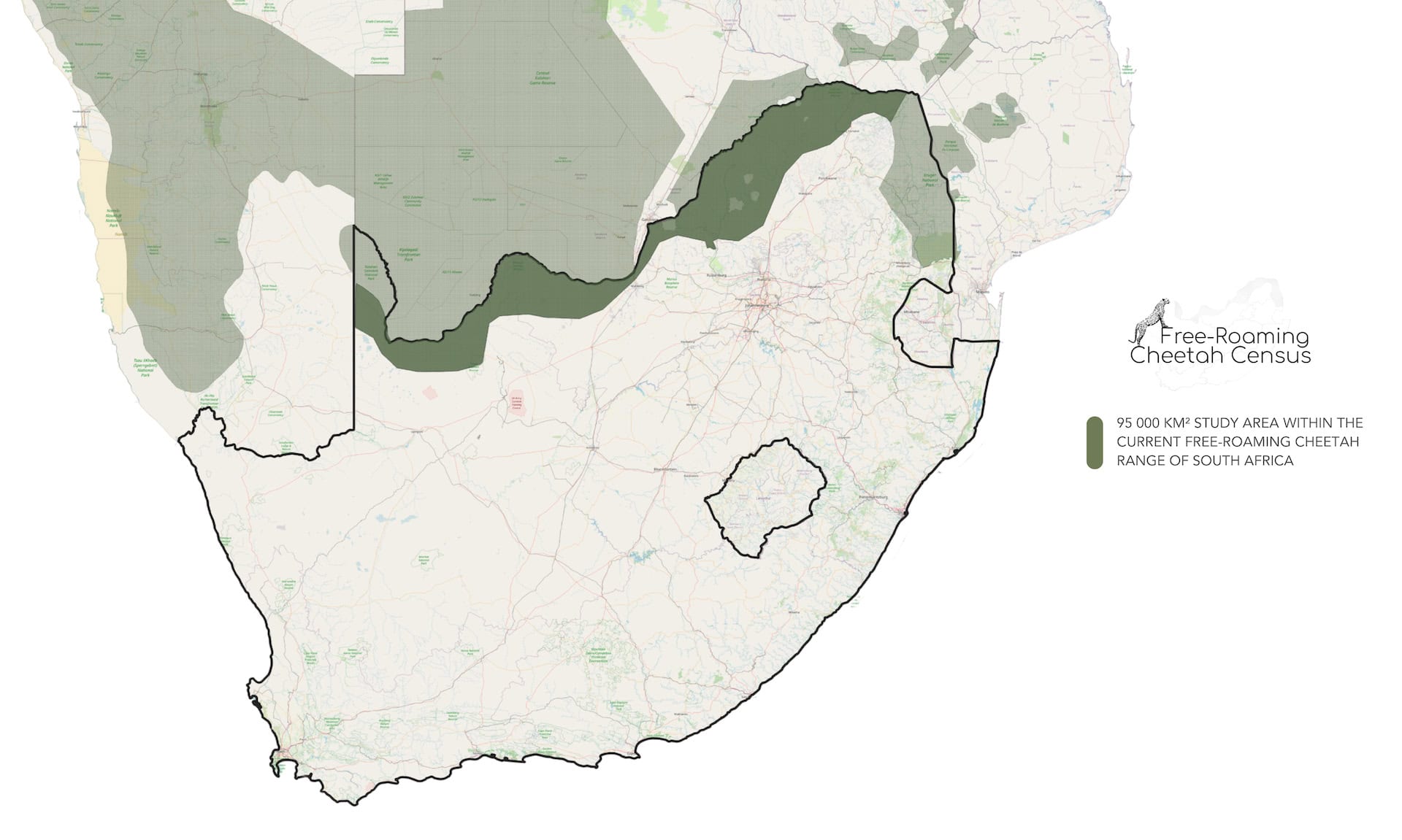
While an estimated 600 to 800 free-roaming cheetah exist along the northern borders of South Africa, where the census is focused, the reality is that this has not been confirmed, despite them potentially representing 11% of the global population.
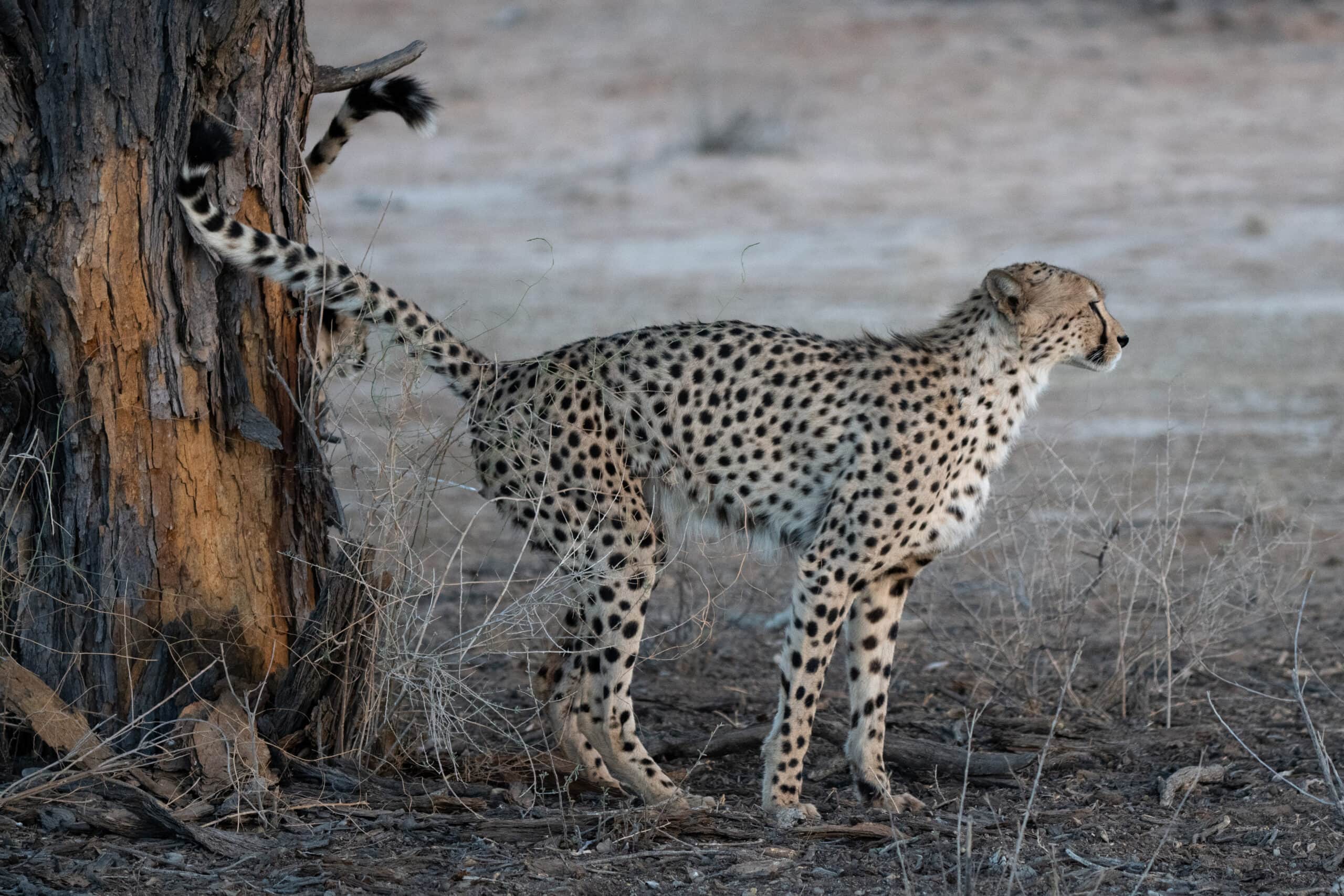
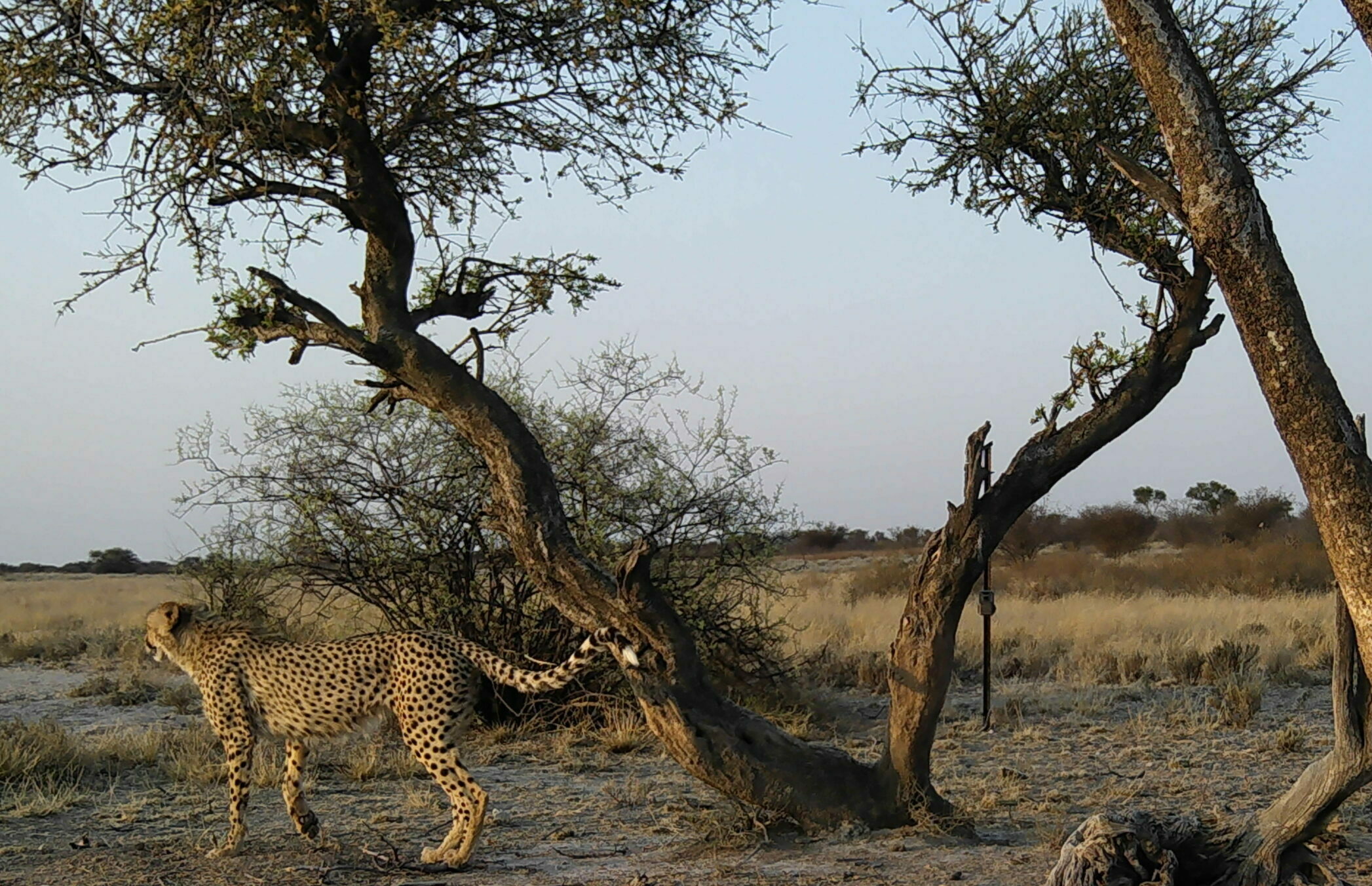
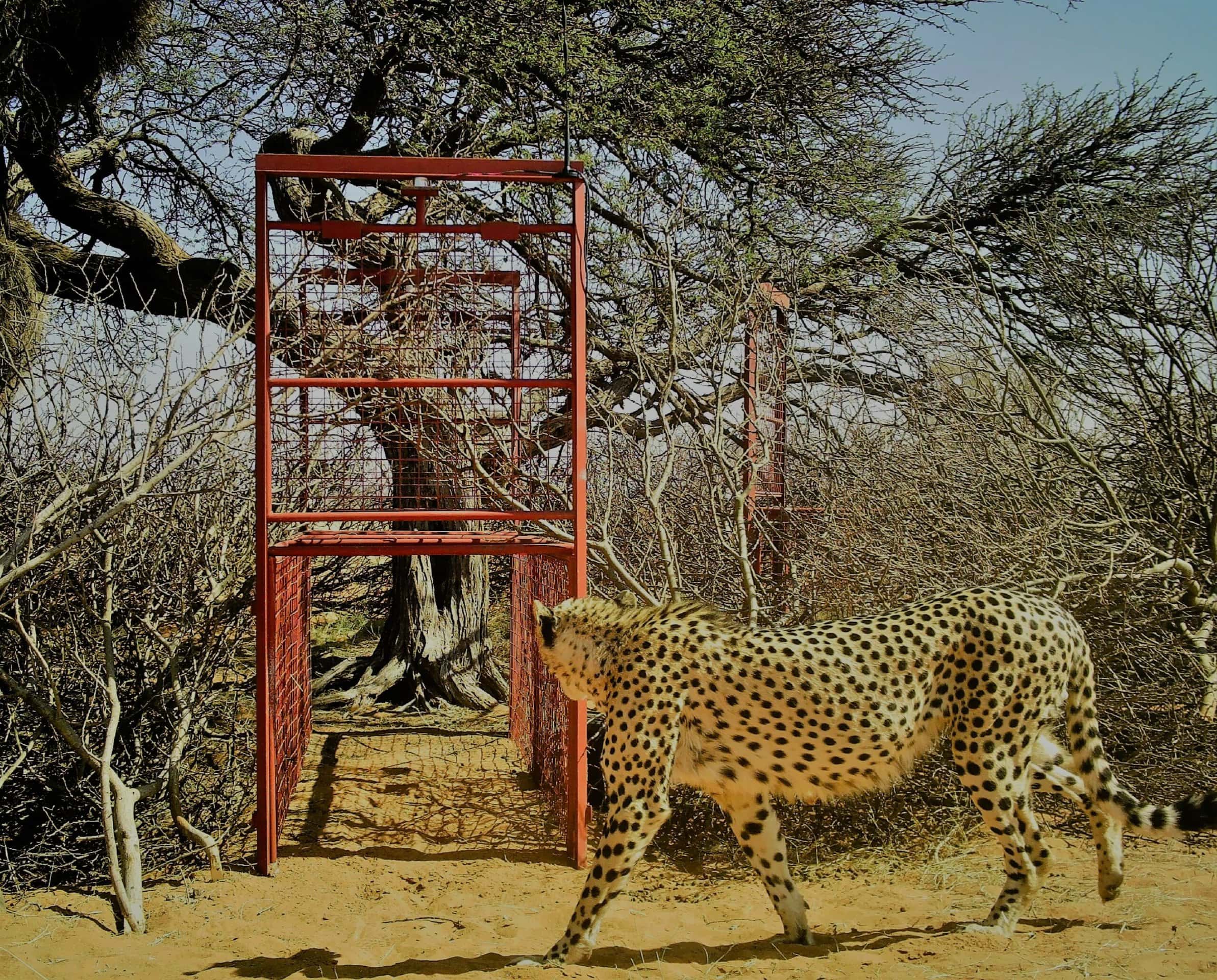
With the use of camera traps selectively placed at cheetah communication hubs (otherwise known as scent-marking trees) and questionnaires answered by farmers and landowners within the marked study area, we aim for a more accurate estimate of how many cheetah still move along South Africa’s borders.
Very little is known about the highly threatened cheetah subspecies native throughout central and west Africa. Working with African Parks, Ashia has deployed a PhD student to the W-Arly-Pendjari Complex in West Africa and Zakouma National Park and Siniaka Minia Wildlife Reserve in Chad, to update our existing knowledge of West African cheetah numbers, status, and ecology. This data is fed directly into African Parks management and policy around protecting highly threatened cheetah subspecies. Read the first published article below.
This small but established population of cheetah is understudied, but after a 3 year project in Pendjari, Zakouma and Siniaka Minia parks, financed and coordinated by Ashia Cheetah Conservation, the surmised subspecies in these regions will be confirmed.